Floral Pattern Version 01: A Designer’s Real-World Embroidery Review
First Impressions: Graceful, Not Overwrought
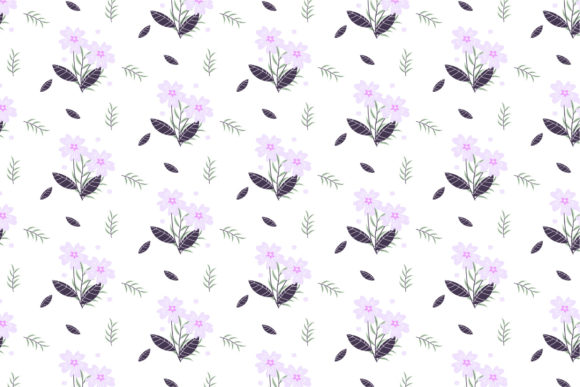
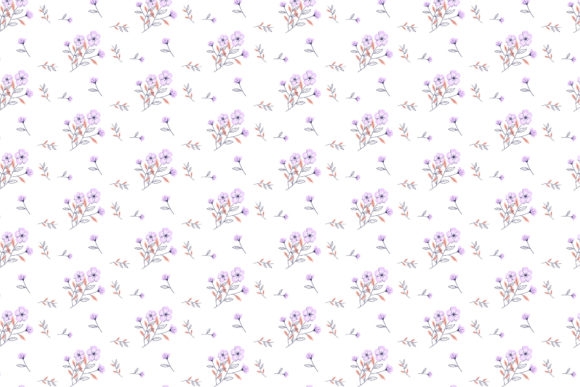
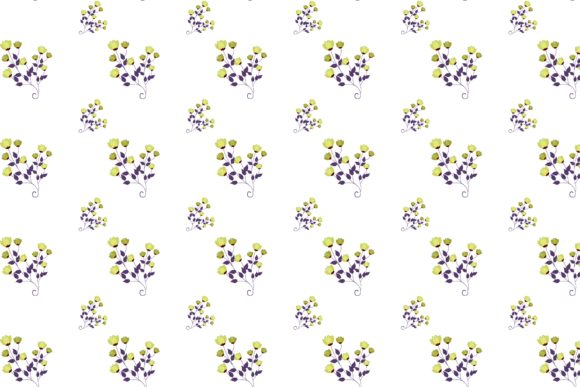
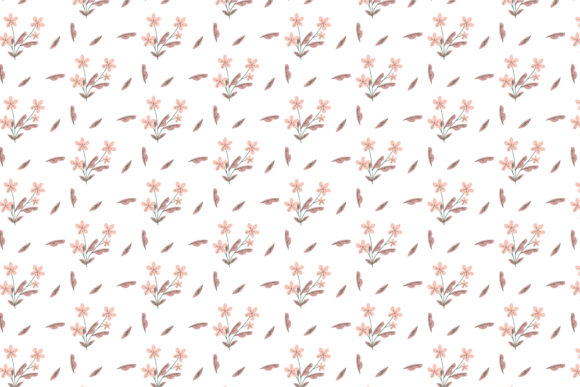
Opening Floral Pattern Version 01, I immediately noticed what it *doesn’t* do — it doesn’t shout. There’s no aggressive symmetry or fussy layering. Instead, it offers a quiet, balanced composition: soft curves, gentle spacing between blossoms, and a rhythm that breathes across the frame. The floral shapes feel botanical but stylized — think garden roses and trailing vines, not hyper-realistic botany charts. It leans into elegance without slipping into formality, which makes it unusually versatile for both modern handmade products and timeless personalized gifts.
A Tote Bag Test: Where Design Meets Daily Use
Last week, I prepped Floral Pattern Version 01 for a custom embroidered canvas tote — the kind sold at local craft fairs and boutique pop-ups. I chose a medium-weight natural cotton canvas, medium-density cutaway stabilizer, and matte cotton thread in sage, cream, and dusty rose. The result? Clean satin stitch petals with subtle texture, fill-stitch leaves that held shape without puffing, and graceful negative space that let the fabric show through. Customers paused mid-aisle — not because it was flashy, but because it felt *considered*. That’s the quiet power of this design: it elevates the object without overwhelming it.
Where It Shines (and Where It Asks for Care)
Floral Pattern Version 01 performs beautifully on stable, medium-to-heavy fabrics: sweatshirt fleece, linen-blend tea towels, quilt-weight cotton for pillow covers, and even lightweight tapestry for nursery wall hangings. Its moderate scale and open layout make it ideal for embroidered patch applications, baby onesies (when digitized carefully), and aprons where legibility matters at arm’s length.
That said, it’s not universally forgiving. On thin or stretchy fabrics like jersey or rayon challis, the outer floral elements may shift or pucker without precise hooping and tear-away + cutaway stabilizer combo. On dark fabric, especially black or navy, test your thread colors early — the design’s delicate outlines rely on contrast, not density. And avoid cramming it into small hoop sizes (under 4” diameter): those inner vine tendrils and petal edges need room to resolve cleanly in stitch.
Commercial Use Reality Check
If you’re an Etsy seller, small shop owner, or apparel decorator building a cohesive line, Floral Pattern Version 01 supports brand consistency without locking you into one aesthetic. It works equally well on a minimalist kitchen towel collection and a vintage-inspired baby blanket set. But remember: as a digital embroidery file, its commercial viability hinges on licensing clarity. The product listing mentions “suitable for your fabric, tapestry, cotton, bed sheet, comforter, and others” — which signals broad use — but always confirm whether resale of finished embroidered items is permitted before scaling production.
Design Assets That Feel Like Tools, Not Ornaments
This isn’t just a pretty graphics file dropped into a folder. The included JPG 2500×2500 is sharp enough for printable mockups and digital previews; the EPS vector gives serious flexibility if you need to resize, recolor, or adapt for applique design workflows. That “S” designation likely refers to size class — helpful context when planning multiple SKUs — though exact dimensions aren’t specified, so measure before digitizing.
Practical Notes Every Embroidery Designer Should Run Through
- Test first on scrap fabric — especially if using textured weaves or blends.
- Review stitch density in your embroidery software: look for tight clusters near flower centers that could cause puckering.
- Confirm hoop size compatibility — don’t assume “S” fits all standard hoops without checking actual dimensions.
- Inspect small details in zoomed-in preview: are vine tips crisp? Do leaf veins read clearly at 80% scale?
- Try black-and-white mockups to assess value contrast — essential for holiday embroidery or monochrome branding.
- Compare light vs. dark fabric backgrounds in your design software before committing thread choices.
- Use proper stabilizer — medium cutaway for most apparel, tear-away for towels, and fusible + cutaway for caps or curved surfaces.
- Verify dual-use suitability: does this machine embroidery design hold up for both personal projects *and* client work? In my tests, yes — but only with intentional thread selection and stabilization.
What It Adds to Your Finished Product — Beyond Looks
Using Floral Pattern Version 01 subtly shifts how customers perceive value. On a plain sweatshirt, it reads as thoughtful customization — not mass-produced decoration. On a baby embroidery project, it feels nurturing and unhurried. For a holiday embroidery gift, it avoids cliché while still feeling festive. That’s rare. Most floral patterns tip too far toward either dainty fragility or bold repetition. This one lands in the middle — grounded, graceful, and quietly confident.
Final Thought: A Reliable Anchor in Your Pattern Library
I keep Floral Pattern Version 01 in my go-to folder for Patterns that serve real business needs: quick-turn custom apparel orders, consistent boutique branding, and handmade products where authenticity matters more than trend-chasing. It won’t solve every design challenge — no single embroidery file can — but it reliably delivers clarity, charm, and craftsmanship. Whether you’re stitching a single personalized gift or prepping 50 tote bags for a craft fair, this design earns its place not as decoration, but as a working tool.